
Why Most Corporate Videos Don't Actually Work
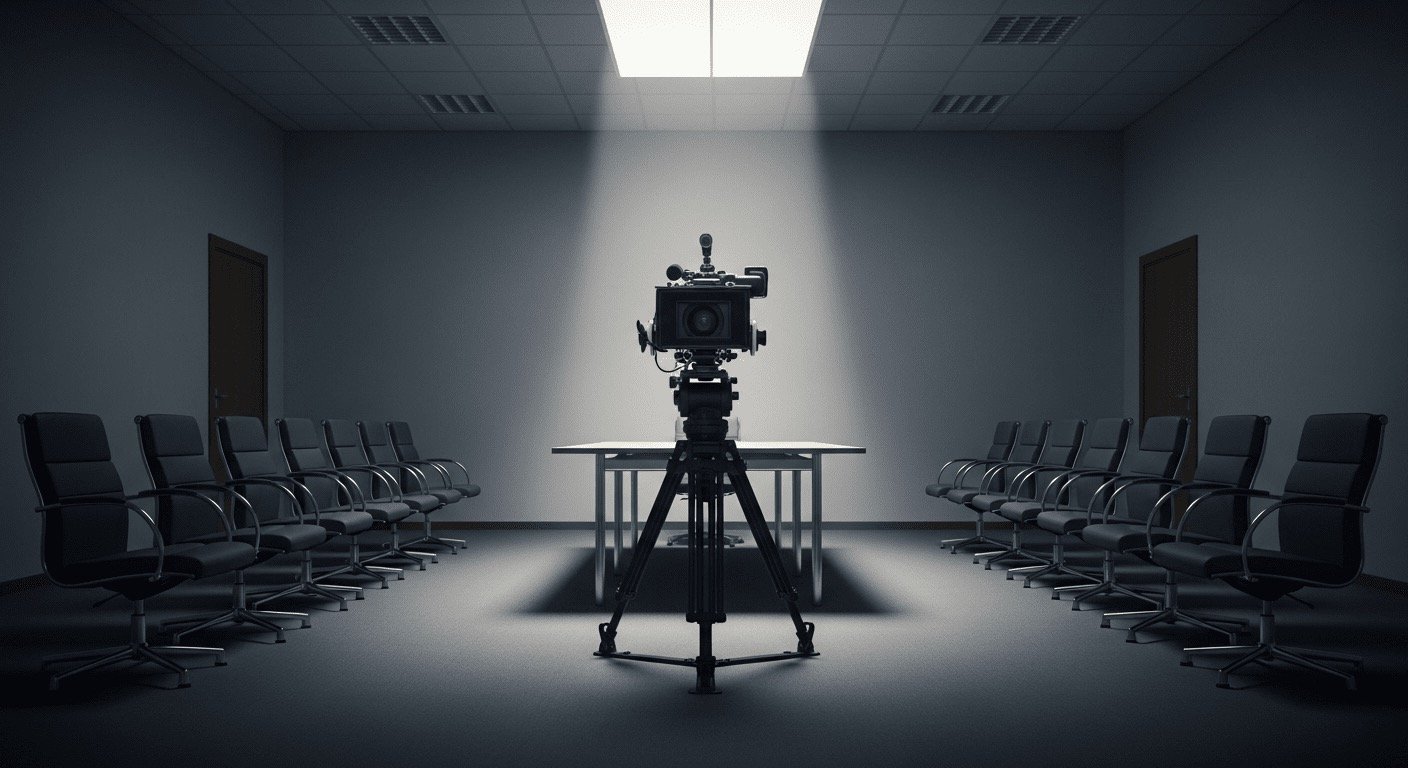
Every year, corporations spend significant budgets on video production. The briefs get written, the vendors get shortlisted, the shoot days get scheduled. The final video looks professional. It gets uploaded. It gets shared internally with a congratulatory email.
And then, quietly, nothing happens.
No meaningful increase in inquiries. No shift in how the brand is perceived. No moment where a potential client watches it and thinks: I need to talk to these people.
The video exists. It just doesn't work.
This is not a production problem. The camera was fine. The lighting was fine. The edit was fine. The problem happened before anyone touched a camera — in the room where the brief was written, or more accurately, in the room where the most important conversation never took place.
The Brief That Starts in the Wrong Place
Most corporate video briefs begin with one of three things:
→ A format: "We need a company profile video."
→ A deadline: "We need something for the conference next month."
→ A reference: "We want something like what [competitor] did."
None of these are strategies. They are starting points that skip the only question that actually matters:
What do we want the audience to think, feel, or do differently after watching this?
When that question isn't answered — clearly, specifically, before a single frame is planned — the video becomes a documentation exercise. It records what the company does. It shows the office, the team, the products. It ticks the boxes. But it doesn't change anything. Because it was never designed to.
Why Production Quality Is a Red Herring
There's a persistent belief in corporate communications that better production equals better results. Higher budget, better camera, more polished edit — therefore more effective.
This is only true up to a baseline threshold. Once a video looks "professional enough," additional production investment delivers diminishing returns — unless the strategic foundation is solid.
The most effective corporate videos are often not the most expensive ones. They are the most intentional ones — where every creative decision serves a clear strategic purpose.
Production quality is the vehicle. Strategy is the destination. A beautiful vehicle with no destination is just an expensive way to go nowhere.
The Four Strategic Questions Every Video Brief Must Answer
1. Who, specifically, is watching this?
Not "our target audience." A specific human being — their role, their concerns, their existing perception of your brand, and what would need to change for them to take action.
2. What is the one thing we want them to feel?
Not a list of brand values. One feeling. Trust. Curiosity. Reassurance. Ambition. A video that tries to make people feel five things simultaneously makes them feel nothing.
3. What do we want them to do next?
Every video needs a next step — even if it's subtle. Watch another video. Visit a page. Start a conversation. The absence of a clear next step is the absence of a strategy.
4. Where and how will they watch this?
A video designed for a boardroom presentation is a different creative problem than a video designed for a LinkedIn feed. Format, duration, pacing, sound design — all change based on context.
What Strategy-First Video Production Actually Looks Like
The shift from production-first to strategy-first is not about adding a strategy document to the process. It's about changing where the creative energy is concentrated.
In a production-first process, the most intensive work happens on set and in the edit suite. In a strategy-first process, the most intensive work happens before the camera is ever turned on.
The result is not just a better video. It's a video that knows what it's trying to do — and does it.
The Honest Conversation Your Agency Should Be Having With You
If your creative partner's first question is about budget, timeline, or format — that's a signal.
The first question should be: "What problem are we trying to solve?"
A studio that tells you video isn't always the answer — even when it means a smaller project — is a studio that is thinking about your outcomes, not their invoice. That's the conversation that leads to work that actually works.
Back to Insights